One Diwali film got people copying its dance moves. A toothpaste brand gave people a reason to make music videos. A tile company turned the nosy question every Indian homeowner knows into the whole point of its ad.
If someone had pitched those ideas in a meeting, you could imagine the objections. Where’s the offer? Why are we asking people to upload selfies? Will anyone watch an ad about tiles? In 2026, all five campaigns below gave people a reason to watch, share, join in or click through. The results tell different stories. A repost takes a second. Sending a recipe takes effort. A click to a store page brings someone one step closer to buying. Each campaign made one of those actions feel natural.
1. Apple and Raw Mango made Diwali look like a music video
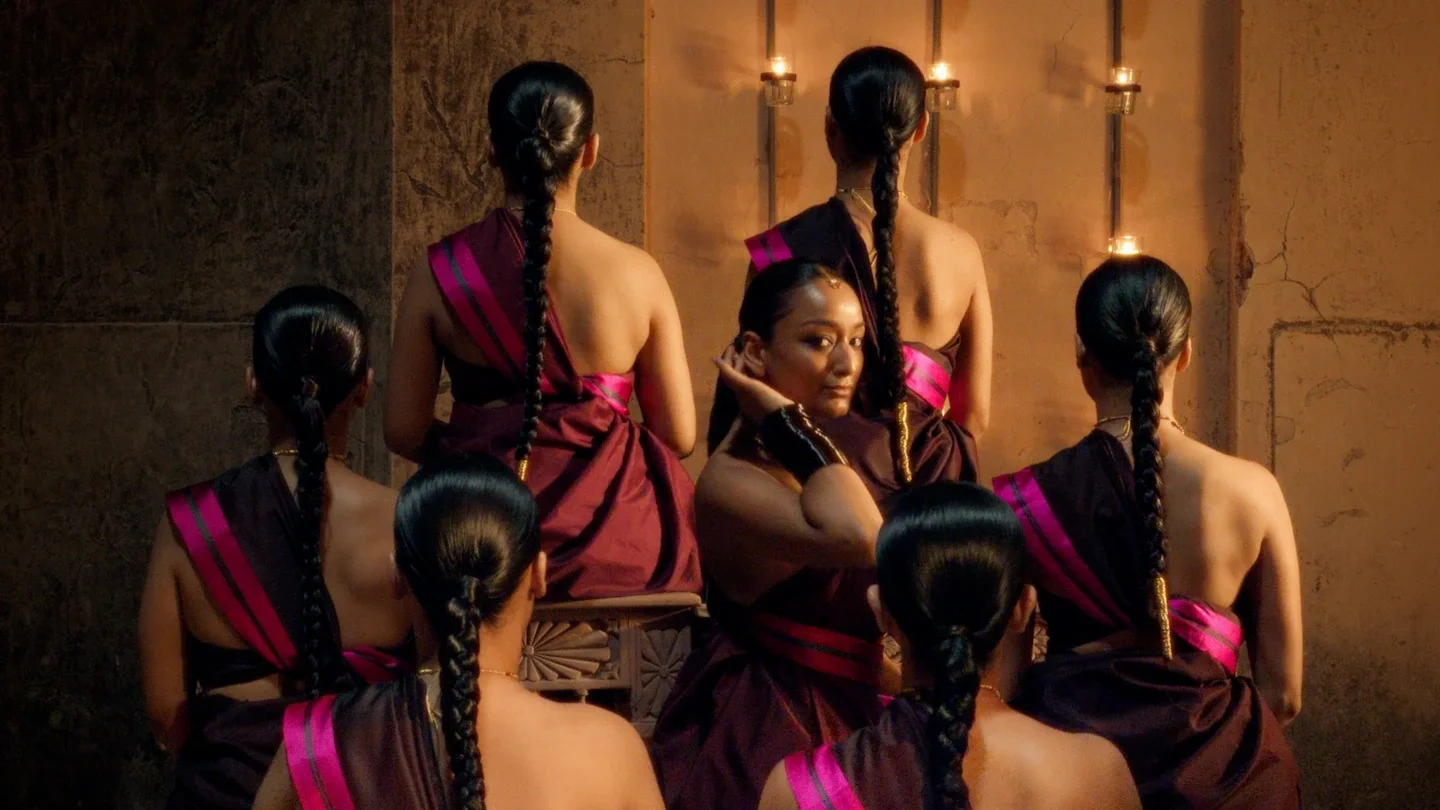
The first thing you notice in Step Into the Light is how much you can see in the dark. Dancers in rich fabrics move through the courtyards of Rajasthan’s Tijara Fort. There’s a warm glow on the walls, and colour keeps appearing from the shadows. Over it all plays a new take on Roop Suhana Lagta Hai, a song familiar to anyone who grew up with ’90s Hindi films.
Apple released the film in November with Indian fashion label Raw Mango. Its founder, Sanjay Garg, directed it, and Juhi Chawla appears in it. Apple said it was shot entirely on the iPhone 18 Pro. If you were curious about what the camera could do in low light, the film gave you a demonstration while you were enjoying the music and choreography.
The Business of Fashion reported more than 6 crore views on Apple’s YouTube channel in just over a week, and around 1.25 lakh reshares of the joint Instagram post. People recreated parts of the choreography, and the song gave the film a way to travel beyond the original upload. The reception also included a debate about how closely such a stylised film reflected the way families actually celebrate Diwali.
The clever bit was giving people something they could borrow. You could learn a step, send someone the song or share the film with a friend who cared about textiles. Each was a reason to pass along the demo without having to say a word about the phone.
2. Closeup turned Valentine’s Day selfies into music videos
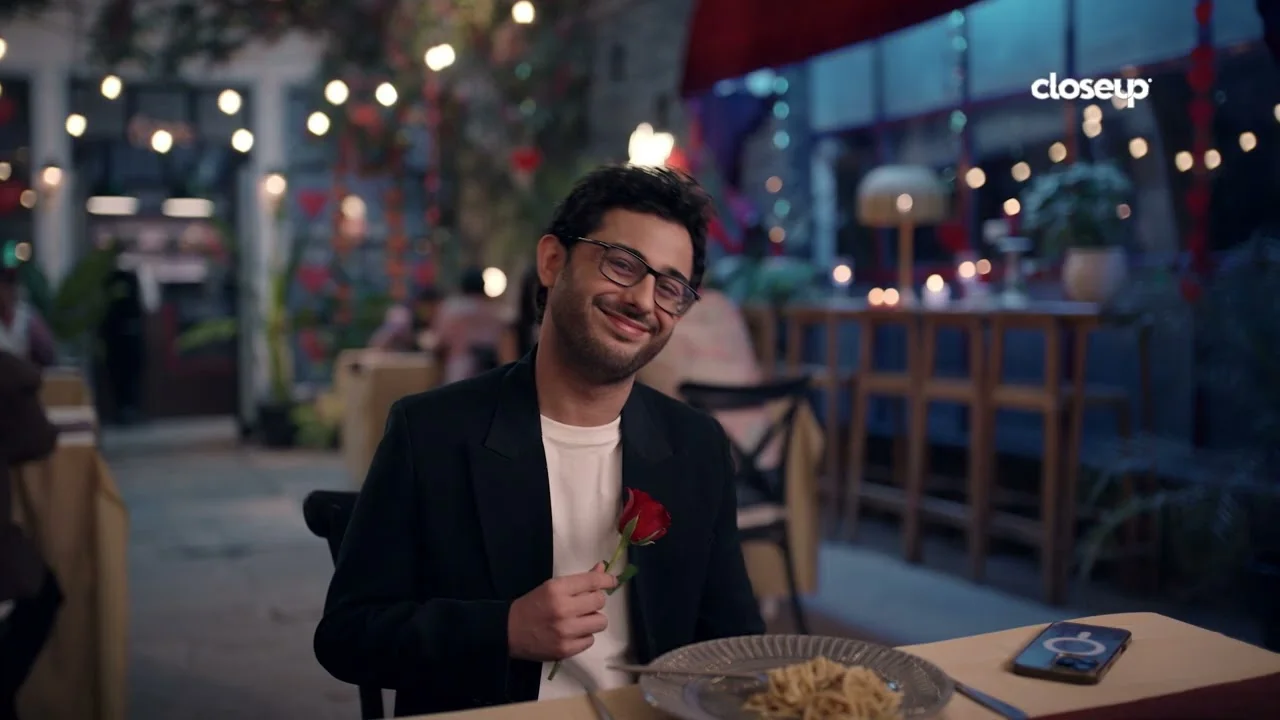
A Valentine’s Day ad can remind you to do something sweet. Closeup’s Love Tunes campaign helped you make the thing itself. In February, the brand offered people a free personalised music video. They could use selfies to create a video they could send to someone. The campaign also used creator content featuring CarryMinati to introduce the experience to a wider audience.
The numbers show what people did at different stages. Industry reporting put the campaign’s digital views at more than 43.9 crore across its brand and creator content. The campaign site recorded more than 10 lakh page views, and around 85,000 personalised videos were generated. The campaign received recognition from the Asia Book of Records and India Book of Records for the volume of videos produced using AI.
The video you made mattered because it was yours. It could be funny, embarrassing or sweet, depending on the person you sent it to. That makes it easier to understand why someone would go from watching a creator’s post to trying the tool themselves. The campaign also arrived when people had a reason to send the finished video. If you’re building a similar interactive campaign, it’s worth asking who’s supposed to receive what the customer makes. A clear answer can do more for sharing than another button that says “share.”
3. Motorola sent phone shoppers from creator videos to Flipkart
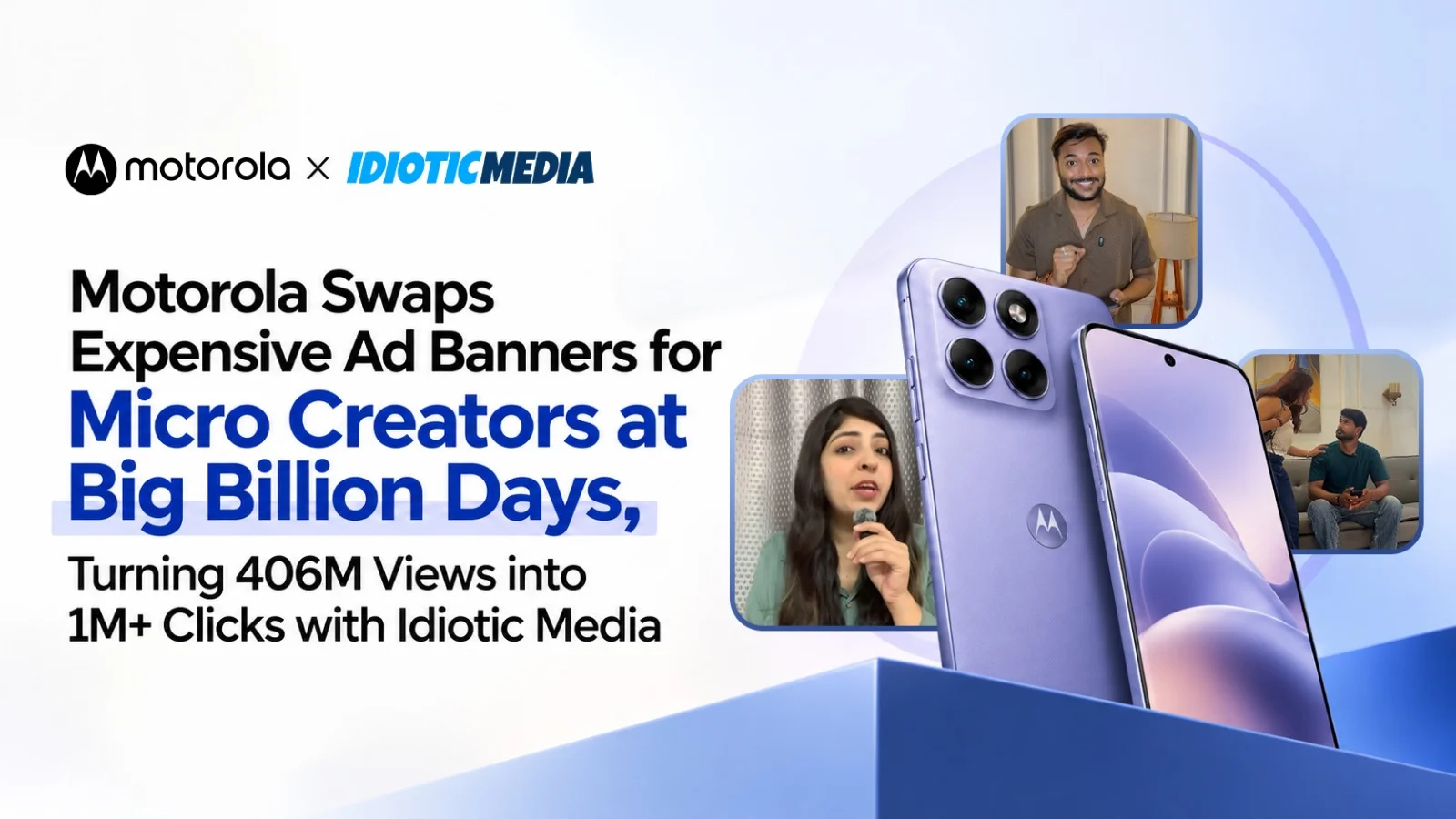
During Big Billion Days, people can scroll past twenty clips about phone deals in the time it takes to decide whether they actually need a new phone. In October, Motorola India and Idiotic Media ran a creator-led push around the Flipkart sale. The agency worked with more than 800 creators. Some made entertainment videos. Tech creators explained the devices and offers. Others put the phones in the middle of everyday fashion or lifestyle content.
That mix gave the campaign a way to answer different questions. A comedy clip could get the phone into someone’s feed. A product breakdown could help the same person judge if it was worth visiting the sale page. A buyer who cared about the camera had a reason to watch a different kind of video from someone shopping for a gaming phone.
The agency reported more than 40.6 crore views, 33.1 lakh engagements and 10 lakh direct link clicks to Motorola’s Flipkart store pages. The clicks are the number I’d look at alongside the views. They record a step shoppers took after seeing the content.
There’s something here for teams with a much smaller budget. Start by writing down the questions a customer asks before they buy. Give one creator the job of getting noticed and another the job of answering the question that holds up a purchase. Give each a trackable link. You might discover that a modest how-to video sends more people to the store than the clip everyone in the office remembers.
4. Kajaria made people curious about a room
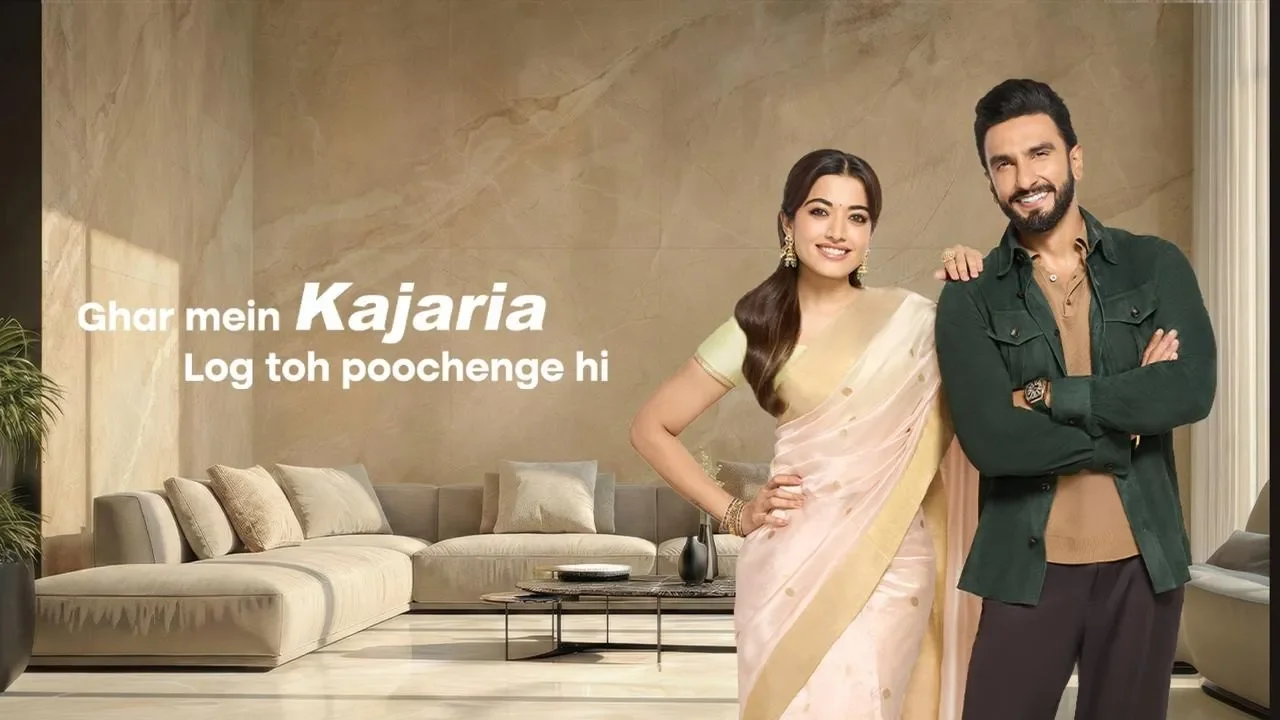
Someone comes over after a renovation, looks around and asks where you got the flooring done. If that sounds familiar, you already understand Ghar Mein Kajaria. Log Toh Poochenge Hi. The line takes a moment that happens after a home is finished and makes it the reason to think about tiles in the first place.
The campaign featured Ranveer Singh and Rashmika Mandanna and launched in March. Kajaria’s annual report said it drew more than 10 crore views in four weeks. The company also described an emphasis on expanding its presence in southern India. The campaign ran across several formats, and the line was simple enough to carry from a film to a store or a conversation with a dealer.
One reason the idea works is that it gives people a picture of how they’ll feel after choosing the product. When you’re halfway through a renovation, you’re thinking about measurements, bills and whether the samples match. The ad lets you skip ahead to the day the work is done and someone notices what you picked.
That’s a practical question to ask in any category that tends to advertise through specifications. What happens around the product when a customer is happy with it? A friend asking where you bought something is often a more recognisable scene than a slow pan across a feature list. A good answer can give you the script as well as the sales pitch.
5. Saffola asked India to argue over a bowl of oats
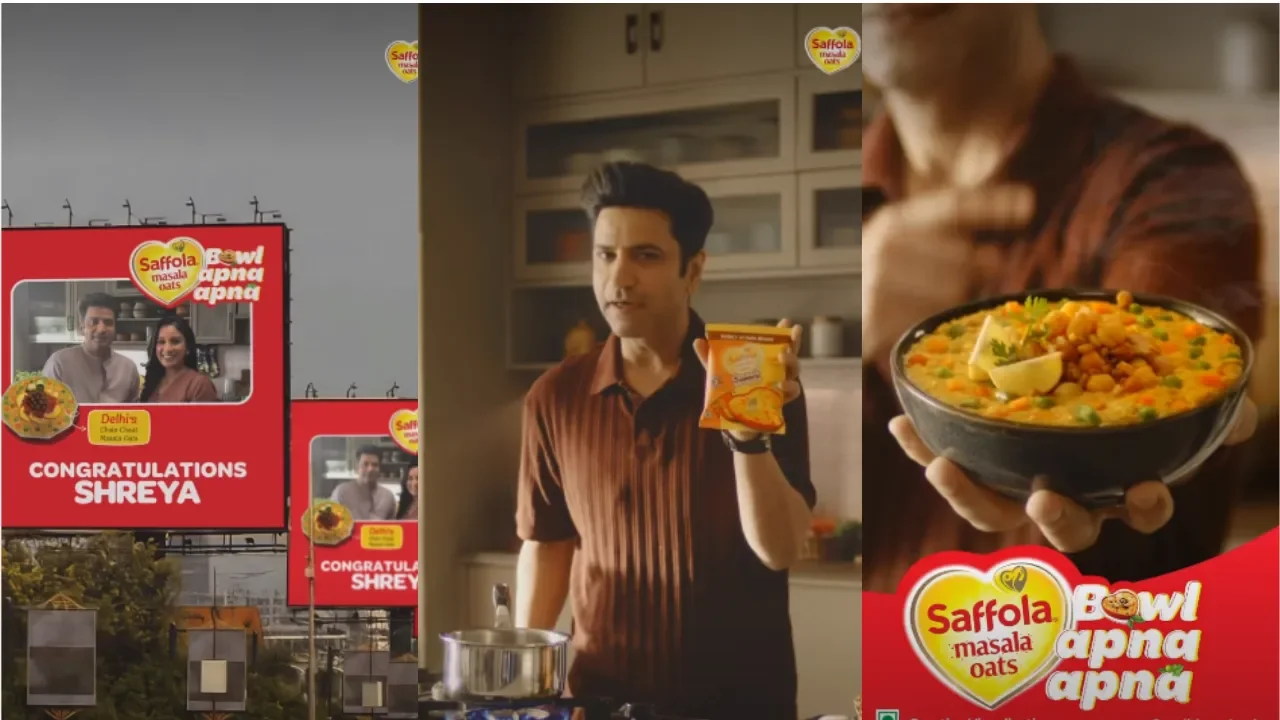
Tell people in different Indian cities to make the same snack and you’ll get very different answers about what belongs in the bowl. Saffola built Bowl Apna Apna around that instinct in April. Chef Kunal Kapur showed how Saffola Masala Oats could take on local flavours. The brand invited people to send their own recipes through WhatsApp for a chance to feature in the campaign.
The timing helped. Cricket season had already given people a reason to back their city. The campaign gave them something else to be competitive about. If a creator from your city made a version you disagreed with, you had a useful way to respond. You could cook your own and send it in. The product was part of the activity from the first ingredient.
Marico’s campaign case study, published by Social Samosa, reported more than 10 crore combined paid and organic views, including more than 2 crore organic views. It also reported that the campaign worked with over 110 influencers. Naming the organic figure separately is useful here because it gives a clearer picture of how the videos travelled alongside the paid distribution.
For a brand selling food, the competition did something a product shot struggles to do. It got people thinking about how they would use the packet in their own kitchen. Try asking the same of your next campaign. If a customer wanted to put their own spin on the product, could you give them a simple way to show it?
What made these five campaigns worth sharing?
A viewer could take a dance step from Apple’s film. Closeup gave them a gift they could make and send. Motorola helped them get to a phone deal. Kajaria gave homeowners a line they could hear someone saying in their living room. Saffola handed people a recipe challenge they could settle in the kitchen.
Before putting money behind the next idea, decide which of those kinds of actions you want. If it’s a sale, give people a clear path to the product and measure what happens after the click. If it’s participation, count the people who actually finished the activity. If it’s sharing, give someone a reason to send the post to one specific friend.
The best test is to picture the message a person types when they forward the ad. If you can hear someone saying “This is so you,” “Let’s try this” or “Here’s the deal you were looking for,” you’re closer to making something that can travel.
Looking for marketing support?
Tell us what you want to achieve and where your team could use support.
Talk to FyerX Marketing